

Choosing an IVF clinic in Los Angeles is overwhelming. You’re scrolling through dozens of websites claiming top success rates and “personalized care,” trying to figure out who’ll actually help you build your family.
The truth: LA has genuinely excellent fertility clinics with world-class fertility doctors and labs. But the “best” clinic depends on what you need. High success rates for your age? A doctor specializing in your fertility challenges? Transparent pricing? Seeing the same physician at every appointment?
This guide compares LA’s top fertility centers based on real success rates, treatment options, quality of fertility care, and patient experiences. Whether you’re starting your fertility journey or switching clinics, you’ll know exactly what to look for.
Top IVF Clinics in Los Angeles: Our Comprehensive Comparison
| Clinic | IVF Success Rates (Under 35) | In-House Lab | Same Doctor Throughout | Upfront Pricing | Initial Consult | Accepting international patients? | Yelp ranking |
|---|---|---|---|---|---|---|---|
| California Center for Reproductive Health | 60%+ live birth rate | ✓ | ✓ | ✓ | Paid (but deducted from future IVF treatment) | ✓ | 4.7 (317 reviews) |
| Pacific Fertility Center LA | 55–58% | ✓ | Varies | On request | Paid | ✓ | 4.0 (169 reviews) |
| UCLA Fertility | 52–55% | ✓ | No (teaching hospital) | On request | Paid | ✗ | 3.4 (79 reviews) |
| LARC | 56–59% | ✓ | Varies | On request | Paid | ✓ | 4.1 (21 reviews) |
| Pinnacle Fertility | 54–57% | Outsourced | ✓ | On request | Paid | ✓ | 4.0 (61 reviews) |
| HRC Fertility | 50–58% (varies by location) | ✓ | Depends on location | On request | Paid | ✓ | 4.0 (79 reviews) |
| Reproductive Fertility Center | 53–56% | Outsourced | ✓ | On request | Paid | ✗ | 4.3 (130 reviews) |
| LA IVF Clinic | 48–52% | Outsourced | ✓ | ✓ | Low-cost | ✗ | 4.2 (30 reviews) |
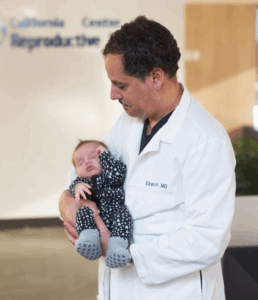
California Center for Reproductive Health: LA’s Most Comprehensive IVF Center
If you want everything under one roof with a reproductive endocrinologist who knows your name, this is it. California Center for Reproductive Health has built the gold standard for in vitro fertilization in Los Angeles by providing genuinely personalized treatment plans backed by top-tier success rates.

What sets CCRH apart
- Complete in-house capabilities: State-of-the-art facilities with preimplantation genetic testing, egg retrieval suite, and cryopreservation facility. No outside labs or surgical centers.
- Same physician model: Your reproductive endocrinologist handles your entire cycle. Not rotating doctors.
- Above-average success rates: 60%+ live birth rates for women under 35, with competitive outcomes across all age groups including women over 40.
- Transparent pricing: You’ll know what fertility treatments actually cost in your first (complimentary) initial consultation.

IVF expertise
- Advanced preimplantation genetic testing (PGT-A and PGT-M).
- Frozen embryo transfer protocols with exceptional success rates.
- Complex cases: recurrent pregnancy loss, poor ovarian reserve, male factor infertility.
- Fertility preservation.
Why patients choose CCRH
- Board certified reproductive endocrinologists with subspecialty training in reproductive endocrinology and infertility handle all cases.
- Patients mention feeling heard, not rushed.
- No surprise bills mid-cycle.
- Multiple Los Angeles locations.
Book your free initial consultation and get your personalized treatment plan and transparent pricing from day one.
Pacific Fertility Center Los Angeles (PFCLA)
Strong choice if genetic counseling is your top priority. Pacific Fertility Center specializes in PGT-A with excellent outcomes for frozen embryo transfers using genetically screened embryos.
Where they excel
- Genetic counseling.
Where they fall short
- Can feel impersonal during busy periods.
- Less flexible monitoring than practices with in-house labs.
Success rates: 55-58% for women under 35.
UCLA Fertility
Good for rare diagnoses or access to clinical trials. As an academic reproductive medicine center, UCLA Fertility takes complex cases other clinics won’t touch.
Where they excel
- Research and clinical trials.
- Difficult cases.
- Teaching hospital resources.
Where they fall short
- You’ll see residents and fellows, not just attending physicians.
- Longer wait times.
- Less personalized feel.
Success rates: 52-55% for women under 35 (lower because they accept harder cases).
Los Angeles Reproductive Center (LARC)
High-volume practice with decades in reproductive medicine. Multiple fertility specialists mean better scheduling flexibility, but you might not see the same physician at every appointment.
Where they excel
- Efficiency.
- Weekend availability.
- Multiple doctor options.
Where they fall short
- Assembly-line feel (reported multiple times by past patients).
- Less individualized protocol adjustments.
Success rates: 56-59% for women under 35.
Pinnacle Fertility
Boutique practice with accessible fertility doctors. Better for patients needing extra hand-holding who don’t mind smaller practice limitations.
Where they excel
- Physician accessibility.
- Customized protocols.
Where they fall short
- No in-house lab (uses outside facilities).
- Limited scheduling flexibility.
- Smaller team means fewer backup options.
Success rates: 54-57% for women under 35.
HRC Fertility
Large network across Southern California. Success rates and patient experience vary significantly by location and physician.
Where they excel
- Brand recognition.
- Multiple Los Angeles locations.
- Large doctor network.
Where they fall short
- Inconsistent experience across locations.
- Some offices feel corporate.
- Research individual doctors carefully.
Success rates: 50-58% for women under 35 (varies by location).
Reproductive Fertility Center Los Angeles
Small practice with low patient-to-doctor ratios. Decent for attention but not cutting-edge protocols.
Where they excel
- Personalized attention.
- Small practice feel.
Where they fall short
- No in-house lab.
- Limited scheduling flexibility.
- Fewer treatment options for complex cases.
Success rates: 53-56% for women under 35.
LA IVF Clinic
Most affordable IVF option in LA with transparent pricing. Good for budget-conscious patients with straightforward cases.
Where they excel
- Lower costs.
- Upfront pricing.
- No-frills approach.
Where they fall short
- Lower success rates.
- Basic protocols.
- Outsourced lab work.
- Limited fertility services for complex cases.
Success rates: 48-52% for women under 35
Overall, CCRH offers the best combination of high success rates, comprehensive in-house services and fertility treatment options, compassionate care, and transparent pricing. While other fertility clinics excel in specific niches (Pacific Fertility Center for genetics, UCLA Fertility for research), CCRH delivers the complete package most patients need.
How to Choose the Right IVF Clinic for Your Fertility Journey
Success Rates & SART Data
SART (Society for Assisted Reproductive Technology) is the national database where legitimate fertility centers report IVF outcomes. If a clinic doesn’t report to SART, that’s a red flag.
But here’s what they don’t tell you: success rates aren’t straightforward. A clinic with 70% might only accept patients under 38 with perfect ovarian reserve. Meanwhile, a 55% clinic might take anyone, including the hardest infertility cases.
What to actually look for
- Success rates specific to YOUR age group and diagnosis.
- Live birth rates (not pregnancy rates, as those don’t account for miscarriages).
- Annual cycles performed (more experience usually means better outcomes).
- Transparency about taking complex cases.
CCRH publishes transparent SART data and maintains above-national average success rates while accepting complex cases. That combination is rare.
Physician Credentials and Specialization
Your reproductive endocrinologist should be board certified in Reproductive Endocrinology and Infertility (REI). This means four years of OB/GYN residency PLUS three years specializing in fertility treatments.
“Fertility specialist” without REI certification? Often just an OB/GYN doing some fertility work. Not the same.
What matters
- Board certification in REI (verify on the American Board of Obstetrics and Gynecology website).
- Experience with YOUR specific challenge (endometriosis? Low AMH? Male factor? Previous failed IVF?).
- Whether you’ll actually see that doctor consistently, or just at consultation and retrieval.
Range of Services & Fertility Treatment Options
In vitro fertilization isn’t one-size-fits-all. Your fertility clinic should offer multiple paths.
Core fertility services
- Standard IVF with fresh and frozen embryo transfer.
- Intracytoplasmic sperm injection (ICSI) for male factor.
- Preimplantation genetic testing (PGT-A for chromosomes, PGT-M for genetic diseases).
- Embryo cryopreservation and storage.
Other fertility services that matter
- Egg freezing (fertility preservation).
- Egg donation and sperm programs.
- Gestational surrogacy coordination (third party reproduction for intended parents).
- Intrauterine insemination (IUI) for less invasive attempts.
- Genetic counseling (crucial for PGT).
- Fertility preservation for cancer patients.
Why this matters: Everything under one roof means coordinated care. If you pivot from IVF to egg donation, or add genetic testing mid-cycle, you’re not starting over.
Most clinics outsource some services. CCRH offers the full spectrum of assisted reproductive technology in-house, including their own genetic testing capabilities.
Personalized Care vs. Assembly-Line Approach
This is where many LA fertility centers fall short. They talk about personalized treatment plans but operate like factories.
Red flags you’re in an assembly line:
- Rigid IVF cycle start dates (everyone starts the same day each month).
- 5-minute appointments where doctors barely look up.
- Nurses handle all communication; doctors invisible except at retrieval.
- Cookie-cutter protocols regardless of response.
- “We’ll see how you respond” with no adjustments when things aren’t going well.
Green flags for actual personalized care:
- Doctors adjust fertility treatments based on YOUR body’s response.
- Direct access to your physician (not just nurses).
- Monitoring appointments that feel thorough, not rushed.
- Small patient-to-doctor ratios.
- Same fertility doctor throughout your entire cycle.
Ask about: Patient-to-doctor ratios and whether you’ll see your physician at every monitoring appointment.
Clinic Facilities & In-House Capabilities
Where your eggs are retrieved, fertilized, and grown matters more than you’d think.
What should be on-site
- State-of-the-art embryology lab (where actual IVF happens).
- Surgical suite for egg retrievals.
- Andrology lab for sperm processing.
- Cryopreservation facility for freezing embryos and eggs.
- Ultrasound and monitoring equipment.
Why in-house matters
- Eggs aren’t transported to outside labs (every minute counts).
- Embryologists work directly with your fertility doctor.
- Flexible monitoring schedules (not just 6-7am slots at outside imaging centers).
- Better coordination when things change mid-cycle.
Red flag: Clinics sending you to outside facilities for labs, ultrasounds, or egg retrieval. That’s fragmented care with more miscommunication risk.
CCRH operates their own facilities. Everything happens under one roof with coordinated care teams.
Cost Transparency & Financial Support
IVF in Los Angeles runs $17,000-$30,000 per cycle, not including medications (add $3,000-$6,000). Many clinics won’t tell you the real number until you’re already invested.
Questions for your first consultation
- What’s the total cost for one complete IVF cycle, including all monitoring, procedures, and lab work?
- What’s NOT included? (anesthesia, genetic testing, medications, embryo storage)
- Do you offer multi-cycle packages or refund programs?
- What financing or payment plans exist?
- Which insurance plans do you accept, and what typically gets covered?
Hidden costs to watch
- Embryo storage fees (annual).
- Genetic testing (PGT-A adds $3,000-$5,000).
- ICSI fees.
- Assisted hatching.
- Frozen embryo transfer cycles.
Green flag: Clinics providing detailed cost breakdowns at initial consultation, not after you’ve started fertility treatments.
Ask about: Whether quoted price is guaranteed or can increase based on medication response.
Start with Choosing the Right Los Angeles IVF Clinic
You’ve done the research. You know what separates real personalized care from marketing claims. Now take action.
Every month matters when you’re trying to build your family. Waiting for the “perfect time” or spending another six months researching won’t improve your egg quality or success rates. The best time to start was yesterday. The second best is today.
CCRH offers complimentary initial consultations because choosing an IVF clinic is a huge decision. You shouldn’t pay hundreds just to see if a clinic is right.
At your consultation:
- You’ll meet with a board certified reproductive endocrinologist (not a nurse coordinator or sales person). They’ll review your medical history, discuss your specific fertility challenges, and create treatment plans based on YOUR situation, not generic protocols.
- You’ll get transparent pricing. No vague “we’ll let you know after testing” nonsense. You’ll know what IVF costs before committing.
- You’ll see success rates for patients like you. Not general statistics. Your age, your diagnosis, your circumstances.
Take the first step: request your complimentary consultation with California Center for Reproductive Health today!

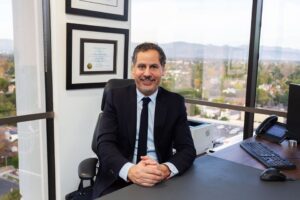
Eliran Mor, MD
Reproductive Endocrinologist located in Encino, Valencia & West Hollywood, CA
Reproductive Endocrinologist located in Encino, Valencia & West Hollywood, CA Doctor Mor received his medical degree from Tel Aviv University-Sackler School of Medicine in Israel. He completed a four-year residency in Obstetrics and Gynecology at New York Methodist Hospital in Brooklyn, New York. Subsequently, Dr. Mor completed a three-year fellowship in Reproductive Endocrinology and Infertility […]


